
Cultural Fire Returns to Haskell Indian Nations University
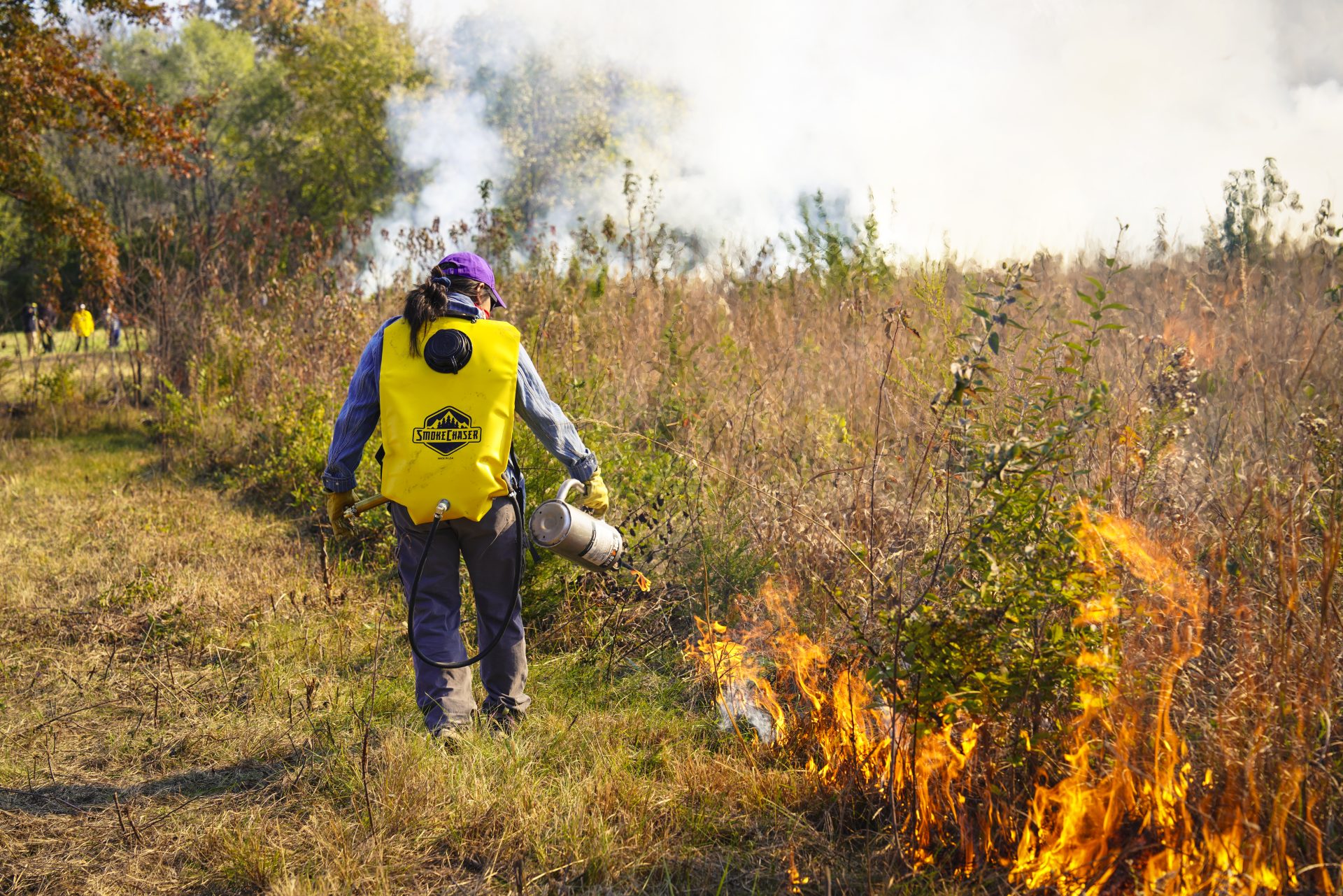
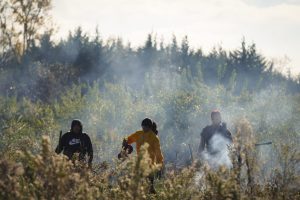
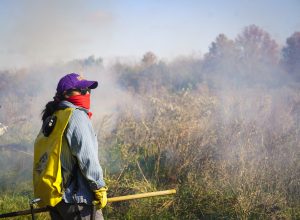
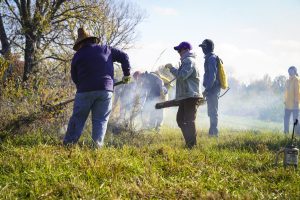
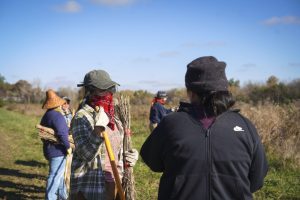
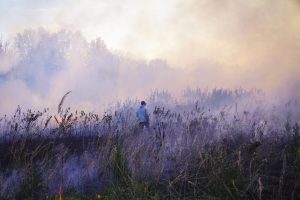
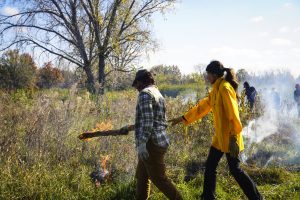
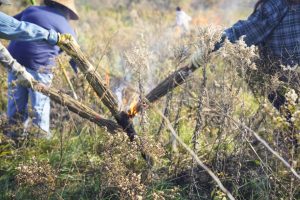
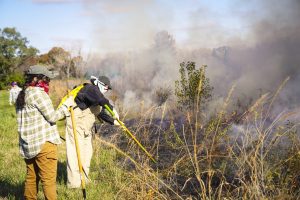
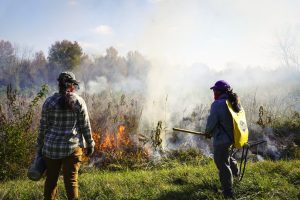
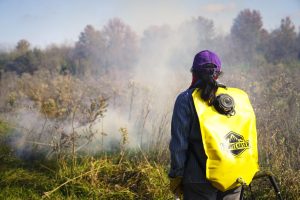
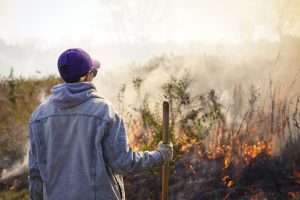
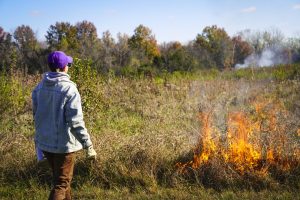
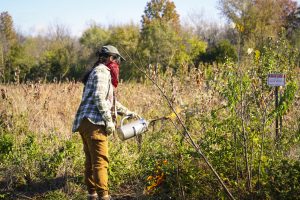
On Friday, November 13, 2026, the Haskell Greenhouse conducted the first cultural fire in the West Prairie at Haskell Indian Nations University in Lawrence, Kansas, in 16 years.
In January 2026, the Bureau of Indian Affairs (BIA) approved a burn plan for the university, which comprises 143 acres of campus woodlands, wetlands, and prairies.
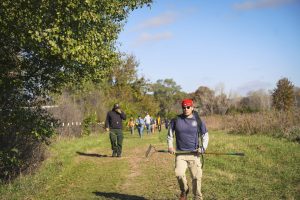
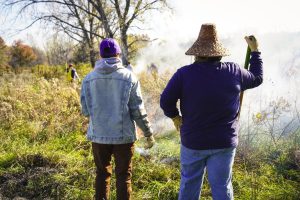
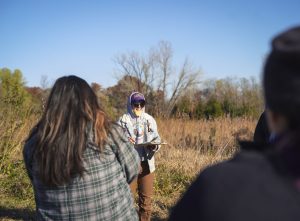
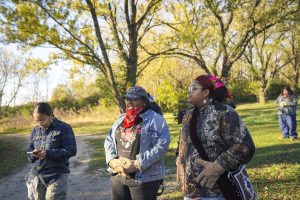
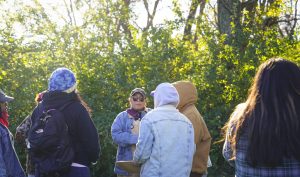
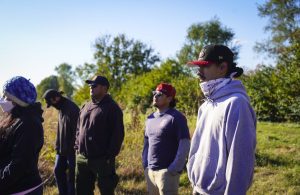
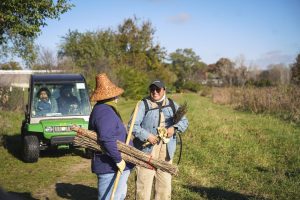
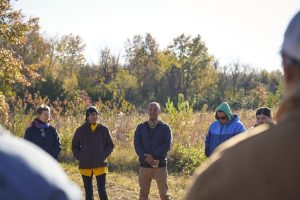
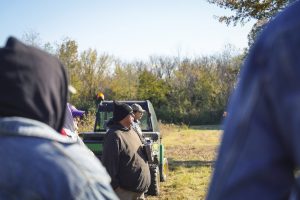
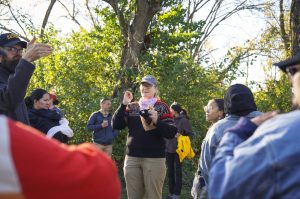
The day began with a memorial song from Jeremy Shield (Crow & Lakota) and a prayer from August Pickering (Otoe-Missouria), as Haskell students, staff, faculty, alumni, and Ioway Tribe of Kansas & Nebraska citizens gathered to bring fire back to Haskell lands, guided and implemented by USDA Equity & Extension student researchers.
From Fall 2026 to Spring 2032, Haskell will conduct controlled and cultural burns across 142.74 acres of woodlands, wetlands, and prairies on campus.
For millennia, Indigenous Peoples across North America have utilized fire as a tool and cultural practice. Cultural burning is a land care responsibility passed down through generations. Native and non-Native land practitioners conduct controlled burns to care for ecosystems that need fire to thrive. Fires at Haskell will promote the growth of native plant species, heal soils, burn off dead biomass, and lessen the encroachment of woody and invasive plant species.
Historically, fires occurred naturally (i.e., through lightning strikes) and were intentionally lit by Indigenous Peoples such as the Kanza, Osage, Pawnee, Wichita, and Shawnee Peoples. While historical Wakarusa River Valley fire regimes are not well known, it is likely these lands would have burned approximately every 1-3 years (Frost, 1998).
Learn more about Haskell’s burn plan here: https://www.haskellgreenhouse.org/what-we-do/haskell-burn-plan